Origins of Crystola
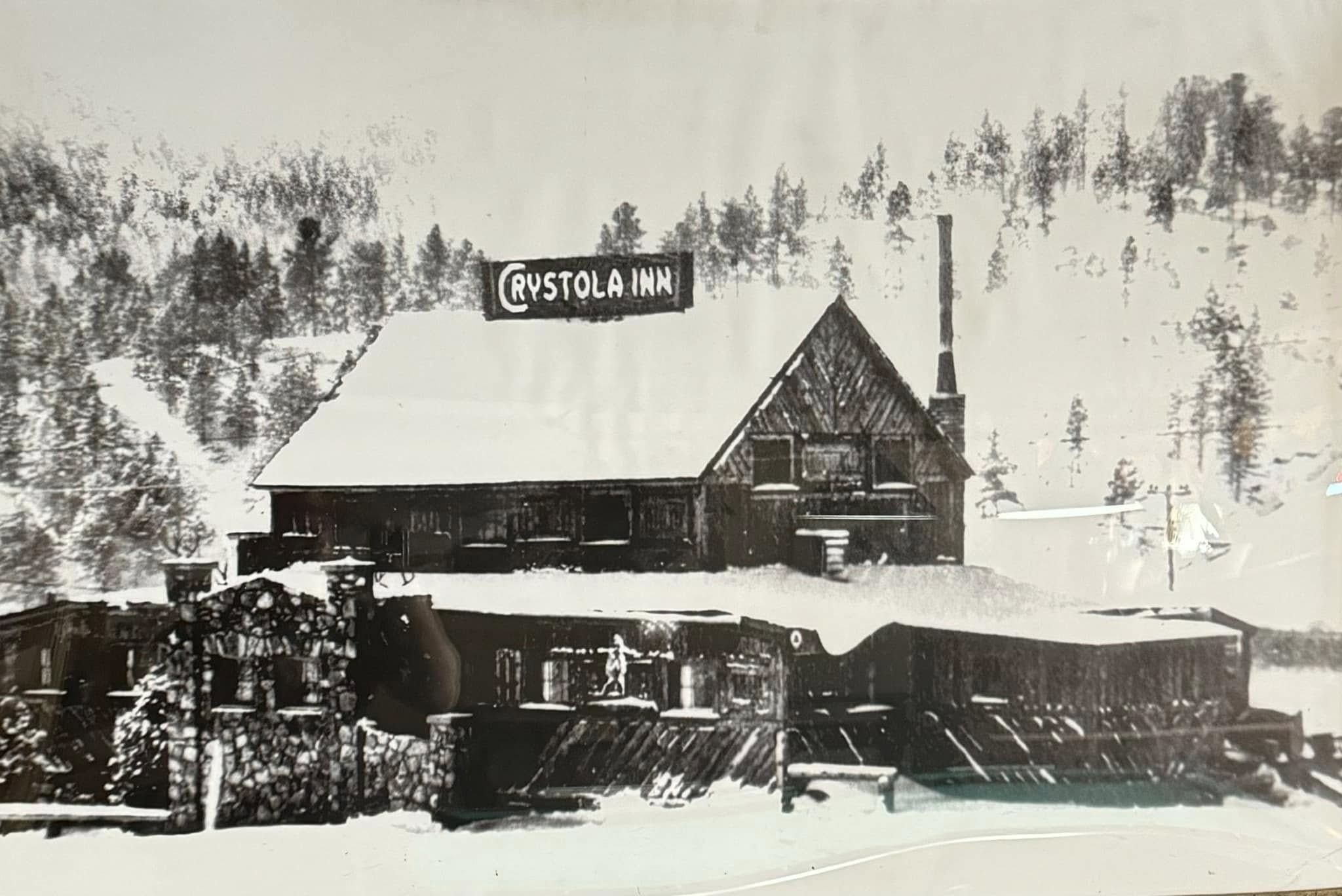
Crystola began as a mountain waypoint along Ute Pass, serving travelers moving between plains and peaks.
Crystola traces its roots to the late 1800s, when Ute Pass served as a rugged gateway between the plains and the Rocky Mountains. Long before modern highways, this corridor carried wagons, freight, and settlers pushing westward into Colorado’s high country.
Rather than a formal town, Crystola functioned as a stopping point — a place to rest, regroup, and continue the climb. Its identity was never built on permanence, but on movement, survival, and the steady flow of travelers through the pass.
That same spirit — transient, resilient, and grounded in the land — would later shape what became the Crystola Roadhouse.
Roadside Era
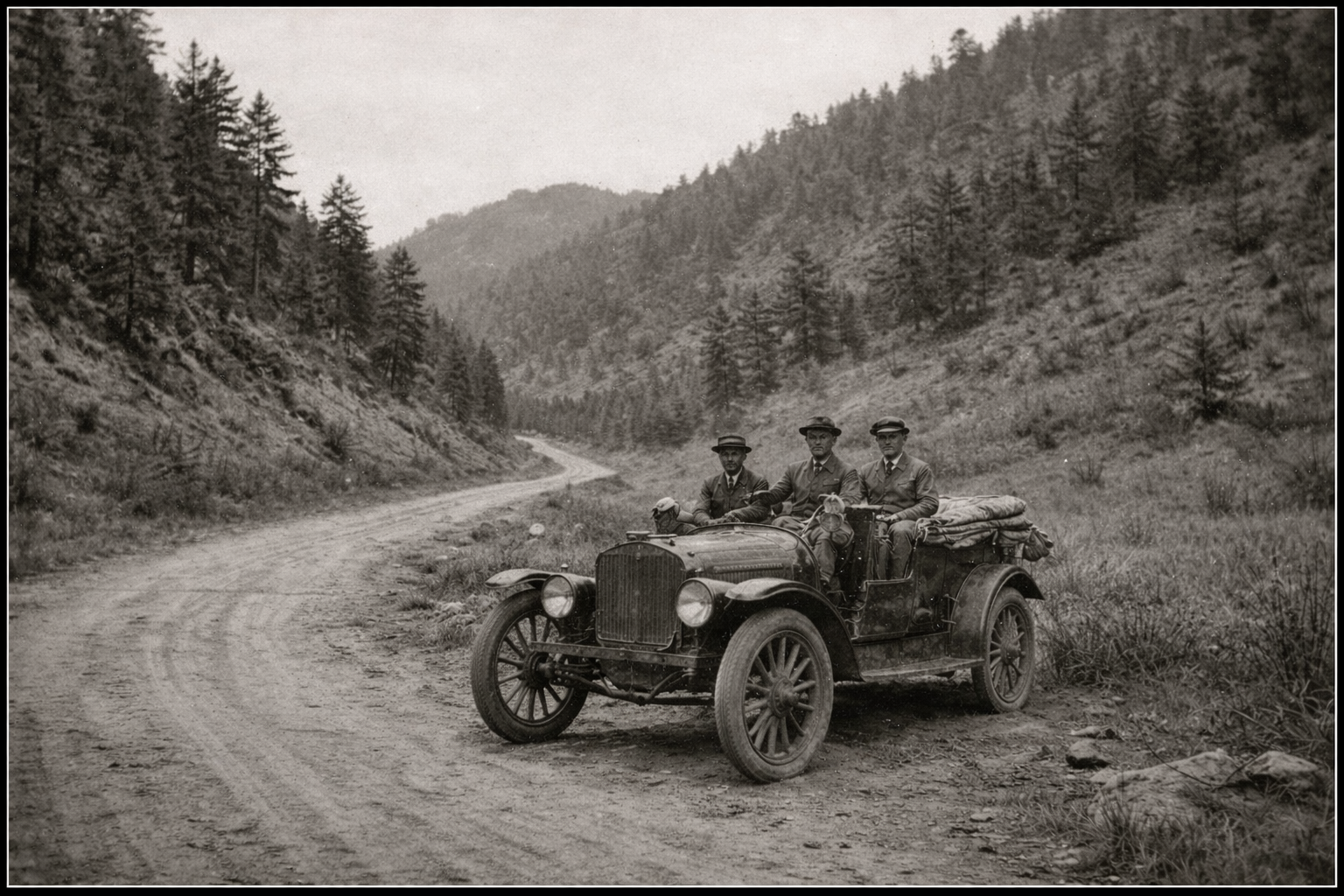
As automobiles replaced wagons, Ute Pass evolved into a critical mountain route, eventually becoming part of what is now Highway 24. With increased traffic came the need for places to stop — not just to rest, but to refuel, eat, and gather.
Small roadside establishments began to appear, offering simple food, drinks, and a break from the climb. These were not destinations, but necessities — built for function, not flair.
This era laid the foundation for the Roadhouse concept: a place rooted in accessibility, where travelers and locals crossed paths over a meal or a drink before continuing on.
The Roadhouse Identity
By the late 20th century, the simple roadside stop had transformed into something more enduring — a place where people didn’t just pass through, but stayed. What began as necessity evolved into identity.
The Roadhouse became a gathering place for locals, travelers, and anyone looking for a break from the road. Music filled the space, dance floors formed, and nights stretched longer. It wasn’t polished, and it wasn’t trying to be — it was real, loud, and alive.
This era cemented what Crystola Roadhouse would become: not just a stop along the way, but a destination built on atmosphere, connection, and shared experience.

Modern Era
Today, Crystola Roadhouse stands as a continuation of everything that came before it — a place shaped by movement, community, and time. While the building and ownership have evolved, the core experience remains rooted in connection and energy.
Live music, packed dance floors, and shared nights define the modern Roadhouse. It serves as both a local gathering spot and a destination for those traveling through the mountains, bridging past and present in every weekend crowd.
It is no longer just a stop along the way — it is a place people come back to.

Still Standing
Crystola Roadhouse exists because it never tried to become something it wasn’t. From wagon routes to winding highways, from passing travelers to packed dance floors, it has remained rooted in the same idea — a place to gather, to pause, and to be part of something for a while.
Time changed the road. It changed the people. It changed the noise inside the walls.
But it never changed what the place is.
And that’s why it’s still here.